
Styes are often cured at home but in case it does not fade away in 48 hours and the discomfort increases, one should consult an ophthalmologist. In times when one’s eye is infected with stye, here’s what you should and shouldn’t do
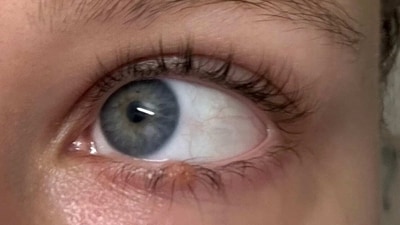
A stye is a common eye condition that is caused by an infection of the oil glands in the eyelids where it appears as a small, painful lump on the edge of the eyelid and it can cause redness, swelling and discomfort. A stye is formed when a follicle on the eyelid gets infected or blocked and it might look like a pimple however, it should never be popped like one.
In an interview with HT Lifestyle, Dr Uma Malliah, Senior Consultant, Opthalmology at Indraprastha Apollo Hospitals, suggested what you should do –
- Clean the affected area: Use a clean, warm, damp washcloth to gently clean the affected area. This will help to remove any debris or crust that may be causing irritation.
- Apply a warm compress: Apply a warm compress to the affected eye for 10-15 minutes several times a day. This will help to relieve the discomfort and encourage the stye to drain.
- Keep your hands clean: Make sure to wash your hands regularly, especially before touching your eyes.
- Use over-the-counter pain relievers: If you experience pain or discomfort, you can take over-the-counter pain relievers, such as acetaminophen or ibuprofen.
According to her, here’s what you shouldn’t do –
- Squeeze or pop the stye: It is important to avoid squeezing or popping the stye, as this can cause the infection to spread or worsen.
- Wear contact lenses: It is best to avoid wearing contact lenses while you have a stye, as this can cause further irritation to the eye.
- Share personal items: Do not share personal items, such as towels or washcloths, with others as this can spread the infection.
- Use eye makeup: Avoid using eye makeup while you have a stye, as this can cause further irritation and may also spread the infection.
- If your stye does not improve after a few days of at-home care or if it becomes more painful, it is important to see a doctor. Your doctor may prescribe antibiotics or other treatments to help clear up the infection.
Dr Omkar Telang, Professor and Head Department of Ophthalmology at KJ Somaiya Medical College and Research Centre, described stye as an infammation of the eye lash follicle and shared, “It can be very painful. You should take pain killer if the pain is severe. Put antibiotic eyedrops and apply antibiotic eye ointment as suggested by the ophthalmologist. Also, hot fomentation of the affected eye helps in reducing the pain and swelling associated with the stye. You should avoid rubbing of the eyes. Eye make up whenever used, needs to be removed properly so as to avoid getting stye or in cases of recurring styes. Lid hygiene is very important to prevent recurrent stye formation.”
According to Dr Sandeep Buttan, Technical Lead at Eye Health and Health System Strengthening at Sightsavers India, “Stye (Hordeolum Externum) is a relatively common infection of the eyelids. The lid margins have small glands that produce an oil like material necessary to keep our eyes moist and healthy. When the openings to these glands get blocked it can lead to bacteria infecting the content and causing swelling and pain in the eye. It can happen to anyone but is more common in children and young adults. People with uncorrected refractive errors and seasonal allergies are more likely to get these frequently.”
He highlighted, “It causes acute painful swelling of the lid and may impact vision temporarily due to the inability to open the eyes properly. While the diseases is usually self-limiting in 1-2 weeks, supportive treatment such as warm compresses, local antibiotic ointments and pain killers may be given. Avoid rubbing the eye or trying to massage the swelling. Maintain general hygiene and avoid sharing towels/handkerchiefs with others. Very few cases may need a minor surgical procedure to drain an unresolving stye.”
Bringing her expertise to the same, Dr Neha Arora, Senior Consultant at Sharp Sight Eye Hospitals, revealed, “If you have ever had eyelid swelling associated with excessive tearing, eye pain, or even a red bump or lump that looks like a pimple or boil on your eyelid then you probably had a stye. They are normally caused by a staphylococcus infection of the oil glands in the eyelids. In most cases, a stye doesn’t require specific treatment, and will go away on their own when properly cared for at home.”
As per her, below are some simple, easy, and effective remedies you should and shouldn’t do when you have a stye in your eye. What you should do:
1. Use mild soap and water to clean the affected eyelid.
2. Place a warm washcloth over the affected eye. Make sure to squeeze out the washcloth and apply to a closed eye. Once the cloth starts to lose heat, re-wet and repeat the process for up to 5 to 10 minutes and then gently massage the area. This should be repeated two to three times in a day.
3. Apply a warm compress to the affected eye for 5 to 10 minutes 2 to 4 times a day for several days.
4. If the condition of the stye has not improved in 2-4 days, seek the help of your ophthalmologist.
What you shouldn’t do:
1. You should never wear contact lenses with a stye because they can be contaminated with the bacteria, so if you do wear contacts refrain from wearing them until the stye is healed.
2. Until the stye heals, don’t wear any makeup
3. Don’t try to squeeze the pus from or pop the stye. This can worsen the infection and cause the infection to spread.
4. Never share towels as some styes are contagious and can be passed on to other individual, so you should never share anything that’s been contaminated.
If you are experiencing recurring styes, an ophthalmologist may also have a biopsy done in order to rule out other, potentially more serious, conditions of the eye.
Ajay Mishra, Certified Optometrist and VP Sales at GKB Opticals, said, “Due to the uneasiness, people tend to touch them, which should not be done as it exposes it to germs further and increases the risk of infection. Styes can re-surface in case someone doesn’t maintain proper eye-hygiene or tends to touch their eyes with unclean hands. Styes are often cured at home but in case it does not fade away in 48 hours and the discomfort increases, one should consult an ophthalmologist. In times when one’s eye is infected with stye, one should avoid touching it with bare hands, not wear eye make-up, avoid stepping out without wearing Rx sunglasses with proper UV protection, avoid wearing contact lenses and avoid exposure to chlorine water in any form till the stye fades away.”
He added, “One should also ensure that his or her eyes don’t get subjected to prolonged screen-hours in order to heal faster. As stye often surfaces on one eye, one should consciously avoid using the same cloth for cleaning the non-infected eye as that increases the risk of infection. To cure a stye at the earliest, keep the eyelids clean, give mild heat compression or put a warm cloth over the closed eye till it gets cured. It is advisable to not apply any over the counter ointments or gel without consulting any eye-specialist.”

