Dancing eye syndrome is a serious condition, but it is treatable. While it is not usually fatal, early diagnosis and prompt treatment are crucial to manage symptoms and minimise long-term effects. Read on to know more.

 VERIFIED By: Dr Ankita Mulchandani, MBBS, DNB, FPRS, FICO (UK), senior consulting ophthalmologist, cataract and refractive surgeon at Ojas Maxivision Eye Hospitals (Bandra and Kandivali)
  Written by Prerna Mittra |Updated : June 27, 2025 11:12 AM IST
Everything to know about dancing eye syndrome: There could be many health problems affecting the eyes, and among them is ‘dancing eye syndrome’. Also known as opsoclonus-myoclonus syndrome (OMS), dancing eye syndrome is a rare neurological disorder that causes rapid, irregular eye movement and muscle jerks, along with difficulty in coordination. Behavioural and sleep disturbances are often a part of it. Dancing eyes gets its name because of the confused eye and body movements that affect the patient. Read on to know more.
Who Is At Risk?
According to Dr Ankita Mulchandani, MBBS, DNB, FPRS, FICO (UK), senior consulting ophthalmologist, cataract and refractive surgeon at Ojas Maxivision Eye Hospitals (Bandra and Kandivali), OMS can happen to both children and adults. “But, the primary causes differ. In children, mainly for those under the age of three, it is often associated with a rare cancer called ‘neuroblastoma’ — a tumor that grows from nerve tissue. In adults, however, it is linked to an autoimmune disorder, viral infection paraneoplastic syndromes — when the immune system reacts to a cancer elsewhere in the body, such as in the lungs, breasts, or ovaries,” the doctor says.
Symptoms Of Dancing Eye Syndrome
Watch out for the following signs and symptoms:
Also Read
- Fast, multi-directional eye movements that happen without pause;
- Sudden, jerky limb movements;
- Poor coordination in the body;
- Irritability or personality changes, seen particularly in children;
- Difficulty sleeping;
- Speech difficulties in children;
- Regression in developmental milestones in kids
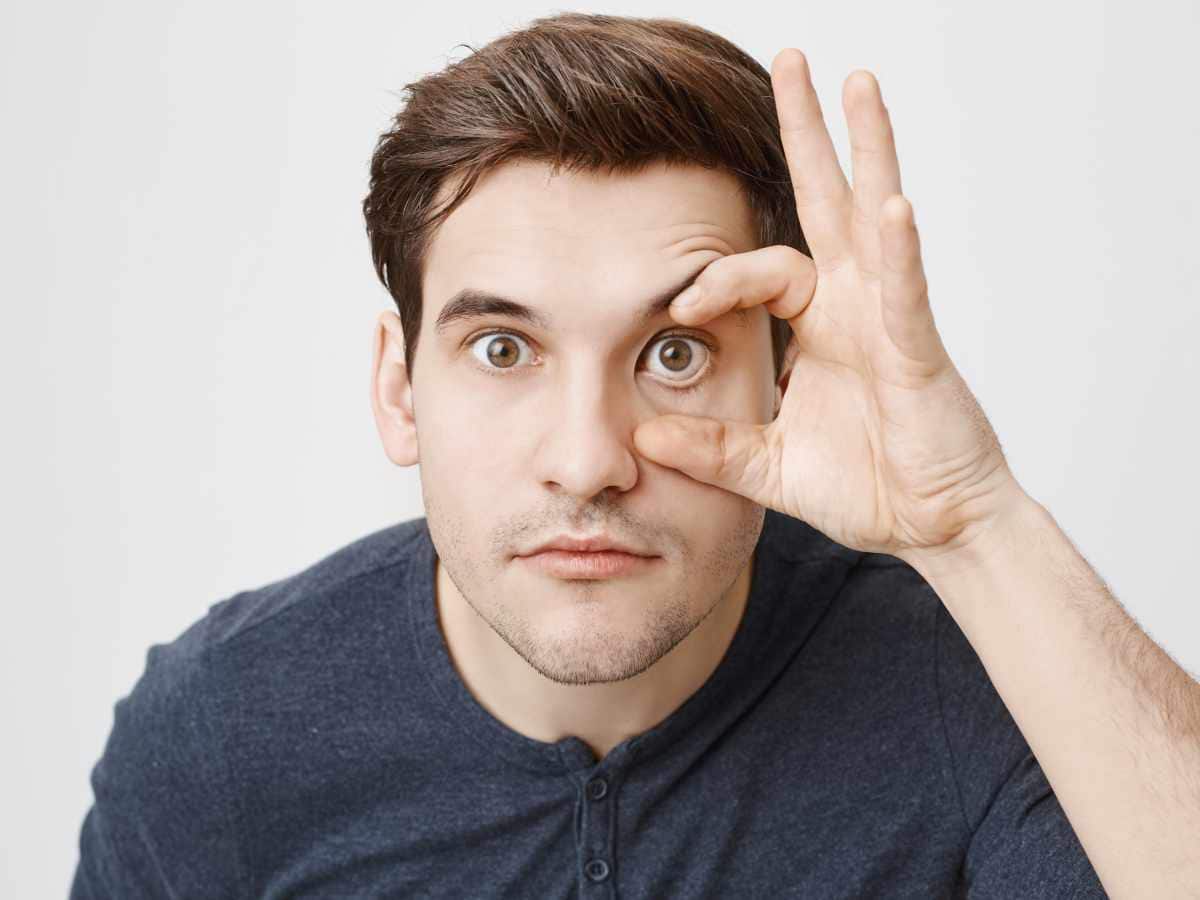
Is Dancing Eye Syndrome Fatal?
Dr Mulchandani says dancing eye syndrome is usually not fatal. But, its severity and impact can depend on the underlying cause, and how fast it has been diagnosed and treated.
“When linked to cancer — such as neuroblastoma — the prognosis depends largely on the success of cancer treatment. The neurological symptoms are the result of the immune system attacking the nervous system, and if left untreated, OMS can cause significant developmental delays or long-term neurological issues, especially in children,” the doctor warns.
TRENDING NOW
Treatment Options
The ophthalmologist explains that treatment for dancing eye syndrome usually involves addressing the underlying cause. “…such as removing a tumor or treating an infection. Immunotherapy is commonly used to reduce the immune system’s attack on the nervous system. It may include corticosteroids, intravenous immunoglobulin (IVIG), or medications like rituximab. Physical and occupational therapy are also required for motor recovery and developmental support,” the doctor concludes.

Don’t Miss Out on the Latest Updates.
Subscribe to Our Newsletter Today!