
Hospitals and health systems are a critical point of intervention for individuals experiencing suicidal thoughts and behaviors. In just five years, the share of emergency department visits because of suicide attempts or intentional self-harm more than tripled—climbing from 0.6% in 2015 to over 2% in 2020.
The effective delivery of evidence-based suicide screening and care in hospital settings relies heavily on a sufficiently staffed, knowledgeable, and supported workforce. However, workforce shortages continue to strain health system staff and affect consistent, quality health services for people in crisis. In fact, according to a nationally representative survey conducted by The Pew Charitable Trusts and the Joint Commission—an independent nonprofit organization that accredits 70% of hospitals in the U.S.—examining the implementation of universal suicide screening in accredited hospitals, about half of hospitals reported challenges stemming from insufficient staffing that affected their ability to provide suicide care interventions.
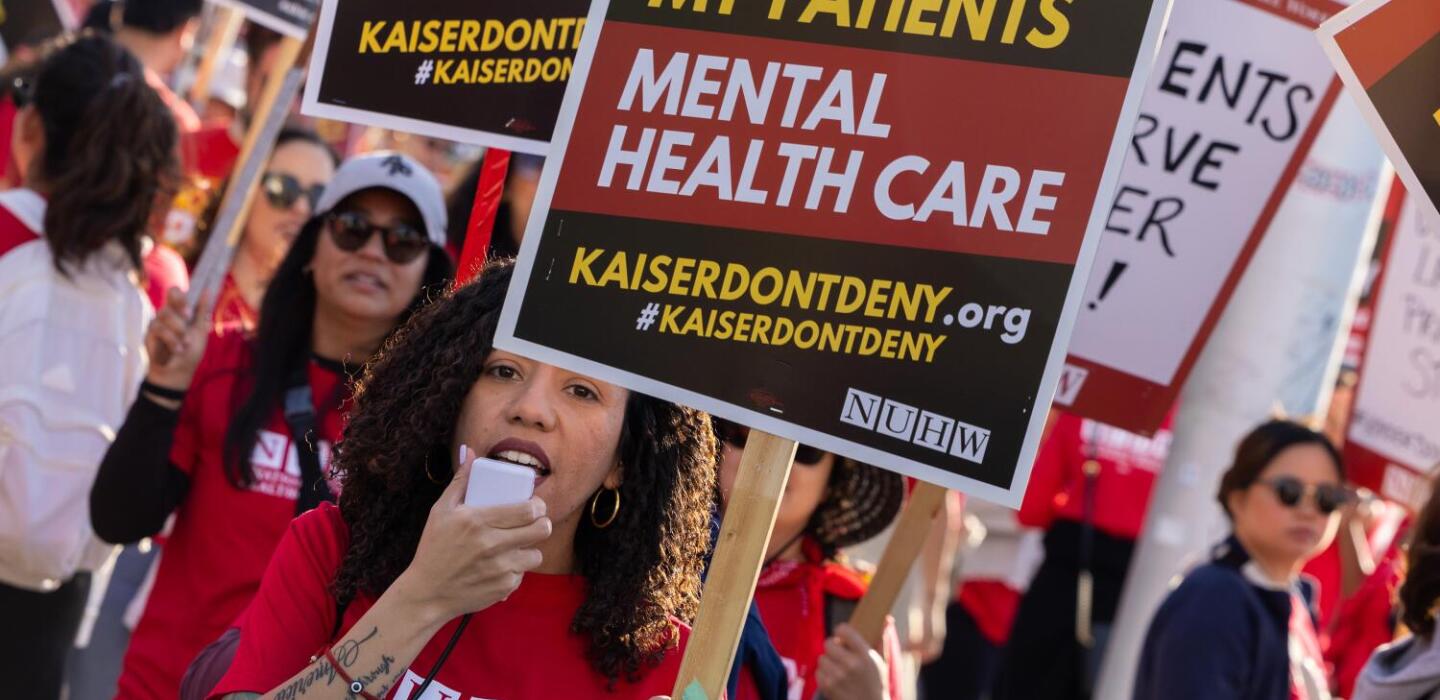
Recent data estimates that about 40% of the U.S. population—approximately 137 million people—live in areas designated by the federal government as having a shortage of mental health providers, with rural and low-income areas experiencing the greatest gaps. For example, the Health Resources and Services Administration report explains that 22% of rural counties throughout the U.S. lack social workers, compared with only 5% of urban counties. Similarly, rural counties are nearly three times more likely to lack psychologists.

