
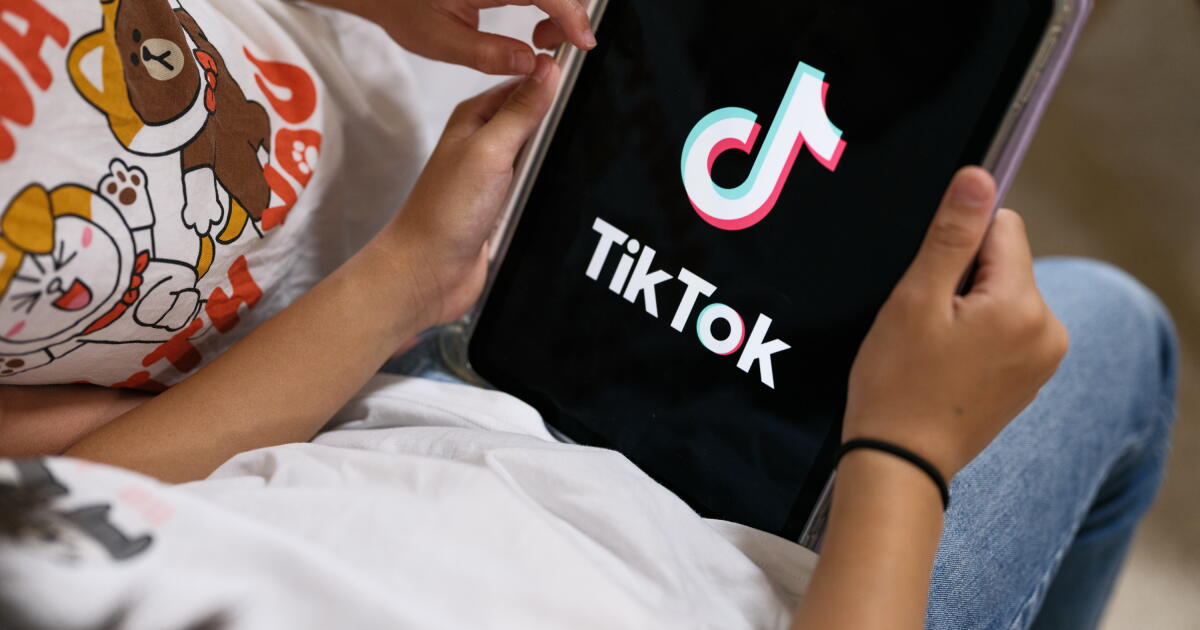
Scroll long enough on social media, and you might find videos about the signs of different mental health disorders. Teen viewers identifying with some of those signs may turn to self-diagnosis, which could lead them to quick fixes ranging from weight loss medication to cannabis.
Joshua Stein, MD, a child and adolescent psychiatrist and chief of medical staff at Newport Healthcare, often treats young people who have already tried several of these fixes on their own.
How Social Media Repackages Everyday Struggles
“Social media has softened the language of mental health,” Stein says. “Terms like ‘trauma,’ ‘dissociation,’ ‘autism,’ or ‘ADHD’ get used so casually online that teens start applying labels to experiences that are actually a normal part of growing up, like a hard week at school, a breakup, or arguments with their parents.”
Recommendation algorithms also play a part. “They reward content that’s relatable and dramatic, not content that’s diagnostically accurate from an expert,” he explains. “A teen who watches enough ‘signs you have OCD’ videos, for example, may start to see those signs in themselves, whether or not they are actually present.”
RELATED: 12 Micro-Habits to Rewire Your Brain & Reset Your Boundaries
Stein clarifies that the danger isn’t about teens being more open about their mental health on TikTok. To him, the risk begins when they “skip the step where a trained mental health professional evaluates what’s going on and instead self-apply a label that may lead them toward the wrong kind of help, or no help at all.”
According to Stein, there’s a key marker that separates a disorder from a rough stretch. Mental health symptoms “require morbidity, or a true negative effect on functioning that is impactful.”
Can a Weight Loss Drug Treat The Real Weight Loss Problem?
Some young people seek out GLP-1 medications like Ozempic hoping that losing weight will change how they feel. However, body dysmorphia is a psychological preoccupation with flaws in one’s appearance. That’s not something GLP-1 medications cover.
“When someone takes a GLP-1 medication hoping it will fix how they feel about themselves, and their weight changes but the underlying distress doesn’t, it can be devastating for the young person,” Stein says. “The drug does what it’s designed to do physiologically, but it was never built to treat the psychological wound, such as the depression, the body dysmorphia, the low self-worth, etc. that was driving the behavior in the first place.”
RELATED: You’re Physically Fit. But Are You Emotionally Fit?
“What we often see is that the person doesn’t feel relief, they feel confused and more hopeless, because they did the thing that was supposed to fix it and they still feel the same, or worse,” Stein explains.
Stein warns that feelings of hopelessness may lead to further decline and adoption of further maladaptive patterns including eating disorders, self-harm or substance use.”
What Regular Cannabis Use Does to the Developing Brain
“There’s a persistent myth that because cannabis is ‘natural,’ it’s automatically safe, especially for anxiety,” Stein says. “But the developing adolescent brain is still building on emotional regulation and function, and regular cannabis use during that time has been linked to increased risk of anxiety, depression, and in some cases psychosis.”
RELATED: Therapy-Speak Dating Has Taken Over. Here’s How to Use It Without Losing Intimacy
Psychosis is a loss of contact with reality that can include hallucinations or delusions. “At its worst, cannabis will cause psychosis. However, more commonly and subtly, regular use leads to apathy and developmental stagnation,” he notes. “Trajectory loss is the sad result.”
Stein adds that over time, cannabis use can dampen a young person’s ability to build real coping skills. For some, “rebound anxiety occurs once the high wears off.”
Why Self-Experimentation Complicates Treatment
Teens may also try unprescribed wellness trends or microdosing. Stein wants young people to be open about what they’ve tried, or are still trying, when they become his patients. He sees that honesty as the starting point for building real connection and support.
“The concern is that by the time a young person reaches us, they’ve often layered several unsupervised interventions on top of one another and untangling that can get complex,” Stein explains. “We can’t treat the underlying condition until we understand what’s already in their system and how it may be interacting, masking symptoms or creating new ones.”
Signs a Wellness Routine Has Become Self-Medication
“The line is crossed when a routine shifts from supporting healthy daily functioning to substituting for it, or obsessing over it, like when someone needs to perform an activity or take a substance just to feel okay,” Stein says.
Healthy habits are usually ones people feel comfortable talking about, he explains. When someone starts hiding how much they’re using or doing something, they may already sense it’s a problem. Then there’s tolerance and the amount used to self-medicate. “If the ‘solution’ has to keep escalating, like a higher dose, a stronger strain or more frequent use, to get the same effect, that’s not healthy wellness anymore,” he concludes.

