
SEONGNAM – A team of researchers at Cha Bundang Medical Center in South Korea is calling for closer eye monitoring among patients taking glucagon-like peptide-1, or GLP-1 receptor agonists, citing potential links between the widely used weight-loss drugs and several retinal and optic nerve conditions.
The team, led by Kim Joon-hyung, a professor of ophthalmology at Cha University School of Medicine, reviewed existing clinical evidence on the ocular safety of GLP-1 receptor agonists with the findings published in the Journal of Korean Medical Science.
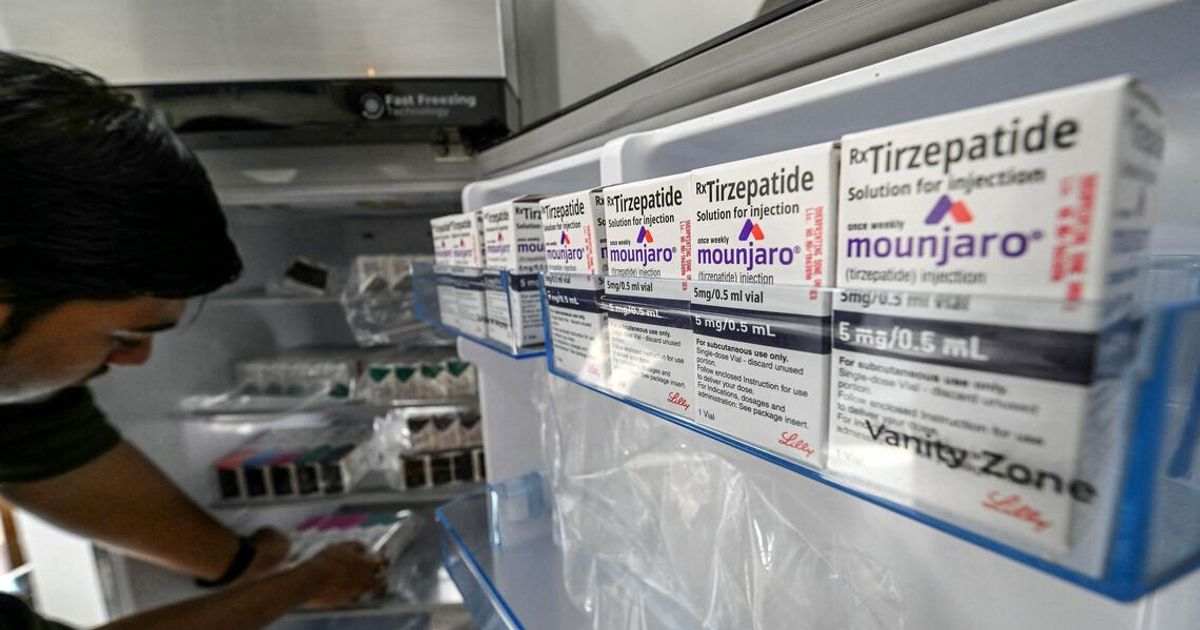
As the use of GLP-1 drugs such as Wegovy and Mounjaro for treating Type 2 diabetes and obesity has increased, questions surrounding their long-term safety have drawn greater attention.
Researchers examined evidence from randomised controlled trials, observational studies, large-scale pharmacoepidemiological research, mechanistic studies and regulatory safety assessments.
According to the study, several eye conditions called for attention among GLP-1 users, including early worsening of diabetic retinopathy, nonarteritic anterior ischaemic optic neuropathy (NAION), neovascular age-related macular degeneration, retinal vein occlusion and glaucoma.
The findings showed the possibility of a temporary worsening of diabetic retinopathy during rapid improvements in blood sugar levels. The study noted that patients with pre-existing diabetic retinopathy may be particularly vulnerable when their blood glucose levels fall sharply over a relatively short period.
The researchers said the phenomenon is more likely associated with rapid metabolic changes than with direct retinal toxicity caused by the GLP-1 drugs themselves.
The team emphasised that eye care should be tailored to patients’ existing conditions and individual risk factors.
They called for assessing the presence and severity of diabetic retinopathy before treatment, scheduling regular eye exams for patients with existing retinal conditions, monitoring changes in blood glucose and metabolic status, avoiding delays in necessary retinal treatment and seeking prompt ophthalmological evaluation in cases of sudden, painless vision loss.
“GLP-1 receptor agonists play an important role in treating diabetes and obesity, but their potential ocular risks need to be carefully assessed based on patients’ existing eye conditions and metabolic status,” Kim said.
“Patients with pre-existing diabetic retinopathy may experience changes in their retinal condition as blood sugar levels improve rapidly. Any sudden deterioration in vision requires prompt evaluation.”
The research marked South Korea’s first published study on GLP-1 and its relations with ocular and retinal health.
The study comes amid heightened warnings over the use of GLP-1 drugs. The US Food and Drug Administration recently decided to require companies to add information to the warnings and precautions sections of labels for GLP-1 medications about the potential increased risk of NAION associated with the use of these drugs. THE KOREA HERALD/ASIA NEWS NETWORK

